Content creators and marketers face an ever-growing challenge: producing enough high-quality content to maintain a consistent presence across multiple platforms while managing limited time and resources. The solution isn’t necessarily creating more content from scratch—it’s about working smarter through strategic content repurposing.
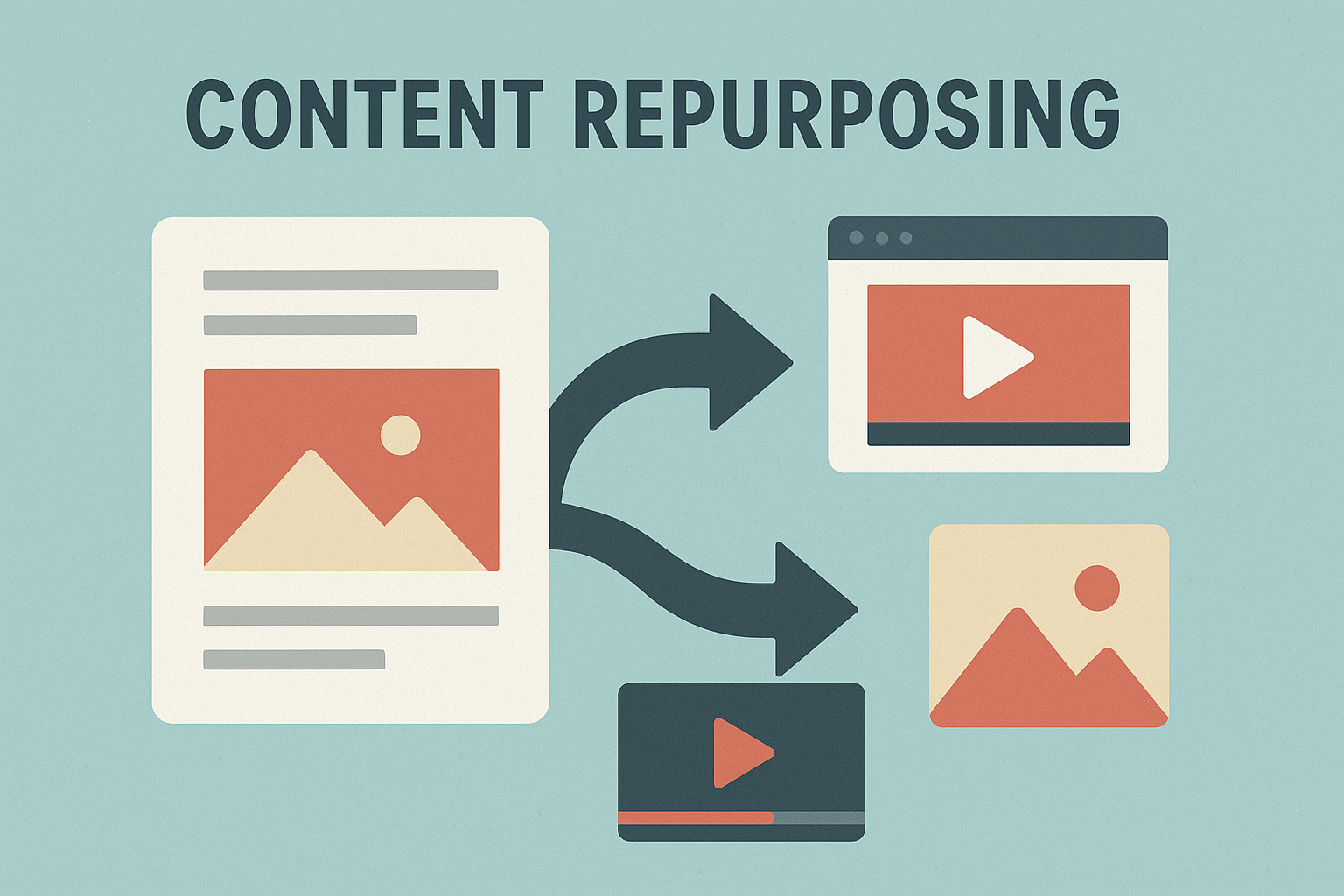
Content repurposing is the practice of taking existing content and adapting it for different formats, platforms, and audiences.
This approach doesn’t just save time; it amplifies your message, extends your content’s lifespan, and ensures your hard work reaches audiences wherever they prefer to consume information.
When done effectively, repurposing can multiply your content’s value tenfold while reinforcing your key messages across various touchpoints in your customer journey.
The beauty of content repurposing lies in its efficiency and effectiveness.
A single piece of cornerstone content—whether it’s a comprehensive blog post, an engaging video, or an insightful podcast episode—can be transformed into dozens of derivative pieces, each optimized for specific platforms and audience preferences.
This strategy not only maximizes your return on investment but also caters to different learning styles and consumption habits among your audience.
Let’s explore ten powerful strategies for repurposing your content to maximize reach and extract every ounce of value from your creative efforts.
1. Transform Blog Posts Into Social Media Content Series
Your long-form blog content is a goldmine for social media posts. A comprehensive 2,000-word article can easily generate weeks’ worth of social content across multiple platforms.
How to execute this strategy:
Start by identifying the key takeaways, statistics, quotes, and actionable tips from your blog post. Each of these elements can become a standalone social media post. For example, if you’ve written a guide about email marketing best practices, you might extract ten different tips, each becoming its own Instagram carousel, LinkedIn post, or Twitter thread.
Create platform-specific adaptations that honor each network’s unique culture and format preferences. For Instagram, design visually appealing quote graphics or carousel posts that walk through a step-by-step process.
For LinkedIn, craft thought-leadership posts that expand on one specific point with professional insights and industry context. For Twitter or X, develop concise threads that break down complex concepts into digestible snippets with engaging hooks.
The value multiplier:
A single blog post can generate 15-30 social media posts across different platforms, extending your content’s reach for an entire month or more. This approach ensures consistent posting schedules without the constant pressure of generating completely new ideas daily.
2. Convert Webinars and Video Content Into Multiple Written Assets
Video content, particularly webinars and educational sessions, contains tremendous value that extends far beyond the live presentation. These recordings are treasure troves of information waiting to be extracted and reformatted.
The repurposing process:
Begin by having your webinar or video transcribed—this creates your foundation document. From this transcript, you can create numerous written assets. Extract the main presentation into a comprehensive blog post or white paper that captures the core teachings.
Identify quotable moments and insights to create social media graphics with pull quotes. Transform Q&A sessions into FAQ documents or separate blog posts addressing common customer concerns.
Pull out specific statistics, case studies, or examples mentioned during the presentation and develop them into standalone infographics or data visualization posts. The introduction can become a teaser blog post, while the conclusion can transform into a summary article or checklist.
If the webinar featured guest speakers or interviews, those segments can become individual spotlight pieces or expert roundup posts.
Additional formats to consider:
Create a slide deck or presentation summary for platforms like SlideShare or LinkedIn Documents. Develop an email sequence that drips out key learnings over several days or weeks. Transform action items and recommendations into downloadable worksheets or templates that add practical value for your audience.
3. Design Infographics From Data-Heavy Content
Data and statistics are powerful tools for engagement, but they’re often buried within lengthy reports, blog posts, or research papers where they don’t receive the attention they deserve. Infographics bring this data to life in visually compelling, shareable formats.
Creating effective infographics:
Review your existing content library for pieces rich in statistics, survey results, process workflows, or comparative data.
These are ideal candidates for infographic treatment. Focus on selecting data points that tell a story or reveal surprising insights—not just numbers for the sake of numbers.
Design your infographic with a clear narrative flow. Whether you’re showing a timeline, comparing options, or illustrating a process, the visual journey should be intuitive. Use consistent branding, colors, and typography that align with your overall visual identity. Tools like Canva, Venngage, or Adobe Express make this process accessible even without advanced design skills.
Distribution strategy:
Infographics perform exceptionally well on visual-first platforms like Pinterest and Instagram. They’re highly shareable on LinkedIn, where professionals appreciate data-driven insights.
Include your infographic in relevant blog posts, embed it in email newsletters, and offer it as a downloadable resource in exchange for email subscriptions. The visual nature of infographics also makes them ideal for inclusion in presentations, proposals, and sales materials.
4. Create Podcast Episodes or Audio Content From Written Material
Audio content consumption continues to surge, with millions of people listening to podcasts during commutes, workouts, and daily routines. Your written content can easily transition into this medium, reaching audiences who prefer to listen rather than read.
From page to podcast:
Select your most comprehensive, evergreen blog posts or articles as source material. These pieces should offer substantial value and insights that translate well to conversational formats.
You can either read the content directly (with some adaptations for spoken language) or use it as an outline for a more casual, conversational discussion.
Consider adding depth through personal anecdotes, expanded examples, or current event connections that might not have fit in the written version.
If possible, invite a colleague or industry expert to join you for a discussion-based episode, using your written content as the framework for conversation. This adds new perspectives and makes the audio content feel fresh rather than simply recycled.
Technical considerations:
You don’t need expensive equipment to start. A decent USB microphone and free editing software like Audacity or GarageBand are sufficient for quality podcast production. Focus on clear audio, good pacing, and an engaging delivery style.
Add intro and outro music, and consider including timestamps in your podcast description that reference specific sections of your original written content.
Distribute your audio content not just as podcast episodes but also as standalone audio files embedded in blog posts, giving readers the option to listen instead of read. Upload to platforms like Spotify, Apple Podcasts, Google Podcasts, and emerging audio platforms to maximize accessibility.
5. Develop Email Sequences and Newsletter Series
Email marketing remains one of the highest ROI channels available, and your existing content is perfectly suited for strategic email campaigns that nurture leads and maintain engagement.
Building email sequences:
Take a comprehensive guide or cornerstone content piece and segment it into a multi-part email series. Each email should focus on one specific aspect or chapter, providing value while encouraging recipients to anticipate the next installment. This approach transforms a single piece of content into an engaging, multi-touch campaign.
For newsletters, curate content from your blog, videos, and other resources into themed issues.
A monthly newsletter might highlight your top three blog posts from that month, include a featured video or podcast episode, share an infographic, and offer exclusive tips or resources. This positions your newsletter as a valuable digest rather than a promotional vehicle.
Segmentation opportunities:
Different audience segments have different interests and needs. Repurpose your content into targeted email sequences for specific personas or stages in the buyer journey.
A piece about advanced strategies can be adapted with different framings—one version for beginners focusing on fundamentals, another for experienced practitioners highlighting sophisticated tactics.
6. Compile E-books and Comprehensive Guides From Related Posts
Individual blog posts serve their purpose, but combining related articles into comprehensive e-books or guides creates premium content assets that can drive lead generation and establish authority.
The compilation process:
Identify a theme or topic where you’ve published multiple blog posts over time. These might cover different aspects of the same subject, sequential steps in a process, or complementary strategies within a broader discipline. Gather these posts and organize them into a logical flow that builds knowledge progressively.
Don’t simply copy and paste existing posts.
Add transitional content that connects sections, write a comprehensive introduction that frames the entire guide, and create a conclusion that synthesizes key points and provides next steps. Include additional resources like templates, checklists, worksheets, or resource lists that add value beyond your published content.
Professional presentation:
Design your e-book with attention to professional presentation. Include a table of contents, page numbers, and consistent formatting. Add visual elements like charts, diagrams, screenshots, or illustrations that enhance understanding. Your cover design should be compelling enough to make people want to download and share it.
Use your e-book as a lead magnet behind a landing page, offer it as a content upgrade within relevant blog posts, or provide it as a thank-you gift for email subscribers.
E-books can also be published on platforms like Amazon Kindle, expanding your reach to entirely new audiences while potentially generating passive income.
7. Generate Short-Form Video Content From Long-Form Videos
While long-form video content provides depth and comprehensive coverage, short-form videos capture attention and drive engagement on platforms where users expect quick, punchy content.
Strategic extraction:
Review your long-form videos—whether webinars, YouTube videos, or recorded presentations—and identify the most compelling moments.
These might include powerful quotes, revealing statistics, surprising insights, emotional moments, or actionable tips. Each of these segments can become a standalone short-form video.
Create versions optimized for different platforms: vertical videos for Instagram Stories, Reels, and TikTok; square videos for Facebook and LinkedIn feeds; and horizontal clips for Twitter and YouTube Shorts. Each platform has specific duration preferences and audience expectations, so tailor your cuts accordingly.
Adding value through editing:
Don’t just clip and post. Enhance short-form videos with captions (essential for social media where videos often play without sound), on-screen text highlighting key points, branded graphics, and engaging thumbnails.
Add context at the beginning to hook viewers who didn’t see the original long-form content. Include clear calls-to-action directing viewers to the full video or related resources.
Consider creating teaser sequences where several short clips build anticipation for a comprehensive piece of content.
This strategy works exceptionally well for course launches, major announcements, or thought-leadership content where you want to build momentum over time.
8. Turn Customer Success Stories Into Multi-Format Case Studies
Customer success stories and testimonials are among your most persuasive content assets. These real-world examples of your value deserve to be showcased across every possible format and platform.
Comprehensive case study development:
Start with a detailed written case study that follows a proven structure: the customer’s challenge, your solution, implementation details, and measurable results. Conduct interviews with customers to capture authentic quotes, specific metrics, and emotional elements that make the story compelling.
From this foundation, create multiple derivative assets.
Design a one-page PDF case study with eye-catching visuals and pull quotes. Develop a slide presentation that sales teams can use during pitches. Create social media posts highlighting specific metrics or testimonial quotes.
Film a short video testimonial where the customer tells their story in their own words—this video alone can then be repurposed using the short-form video strategies mentioned earlier.
Platform-specific adaptations:
For LinkedIn, write a narrative post from the customer’s perspective or share key results with industry context. For your blog, expand the case study with detailed methodology and lessons learned. Create before-and-after graphics for Instagram or Pinterest.
Develop a podcast episode where you interview the customer about their journey and transformation.
Each format reaches different audiences and serves different purposes in your marketing funnel. The written case study might convince detail-oriented prospects, while the video testimonial builds emotional connection, and the social media posts generate awareness and interest.
9. Build Interactive Content From Static Resources
Interactive content generates significantly more engagement than static content, with higher completion rates and better data collection opportunities. Your existing content provides excellent source material for interactive experiences.
Types of interactive content:
Transform informational blog posts into quizzes or assessments. For example, an article about “Finding Your Marketing Strategy” can become a quiz that helps users identify which strategy best fits their business model, with personalized recommendations based on their responses.
Convert statistical data or comparison articles into interactive calculators.
A post about “ROI of Content Marketing” can become a calculator where users input their specific numbers and receive customized projections. How-to guides can transform into interactive decision trees that guide users through complex processes based on their specific situations.
Checklists and frameworks from your content can become interactive tools where users can check off completed items, save their progress, and receive customized action plans.
Educational content can be reformatted as interactive timelines, maps, or exploratory infographics where users click to reveal deeper information.
Technical implementation:
Tools like Typeform, Outgrow, Interact, and Ceros make creating interactive content accessible without coding skills. These platforms offer templates and intuitive builders for quizzes, calculators, assessments, and interactive infographics.
The investment in interactive content pays dividends through increased engagement time, social sharing, and lead generation capabilities.
10. Adapt Content for Emerging Platforms and Formats
The digital landscape constantly evolves with new platforms, features, and content formats emerging regularly. Your existing content library positions you to quickly establish presence on these new opportunities without starting from scratch.
Platform adaptation strategies:
When new platforms gain traction—whether it’s a new social network, content format, or distribution channel—audit your existing content for pieces that align with that platform’s culture and format requirements. Early adopters on new platforms often gain significant advantages in visibility and follower growth.
For example, when Instagram introduced Reels, savvy content creators quickly adapted existing YouTube content into short-form vertical videos. When LinkedIn added newsletter features, marketers repurposed blog series into LinkedIn newsletter editions.
When Twitter introduced longer posts, detailed Twitter threads became mini-articles.
Future-proofing your content:
Create content with repurposing in mind from the start. When producing videos, record in high resolution and maintain raw footage for future edits. When writing, save research notes and outlines that can be reformatted easily.
Tag and organize your content library with clear categorization so you can quickly identify repurposing candidates when opportunities arise.
Stay informed about platform updates, new features, and emerging channels relevant to your industry. Join marketing communities, follow platform announcement pages, and experiment with beta features.
Being among the first to adapt your content to new formats positions you as an innovator while maximizing content visibility during the critical early adoption phase when competition is minimal.
Implementing Your Content Repurposing Strategy
Understanding these ten strategies is just the beginning—successful implementation requires systematic planning and execution. Start by conducting a content audit of your existing assets, identifying your highest-performing and most evergreen pieces. These are your prime candidates for repurposing because they’ve already proven their value.
Create a repurposing workflow that becomes part of your content creation process.
Whenever you publish a new piece of cornerstone content, immediately identify which repurposing strategies apply and schedule derivative content creation. Use project management tools or spreadsheets to track original content, planned repurposing formats, and publication schedules across platforms.
Measure the performance of your repurposed content to refine your strategy over time. Track engagement metrics, traffic sources, and conversion rates for both original and repurposed content.
You’ll likely discover that certain formats or platforms consistently outperform others for your specific audience, allowing you to prioritize accordingly.
Remember that effective repurposing isn’t about duplicating content—it’s about reimagining and optimizing it for different contexts, formats, and audiences. Each repurposed piece should feel native to its platform while maintaining your core message and brand voice.
By implementing these ten content repurposing strategies, you’ll multiply your content’s reach, extend its lifespan, and extract maximum value from every piece you create.
Your audience benefits from consuming information in their preferred formats, your team benefits from increased efficiency, and your business benefits from amplified visibility across the digital landscape—all without the constant pressure to generate entirely new content from scratch.